Looking Under the Hood: How Functional Lab Testing Can Support Your Health Journey
What if looking healthy and being healthy aren't quite the same thing?
I know firsthand that they aren't.
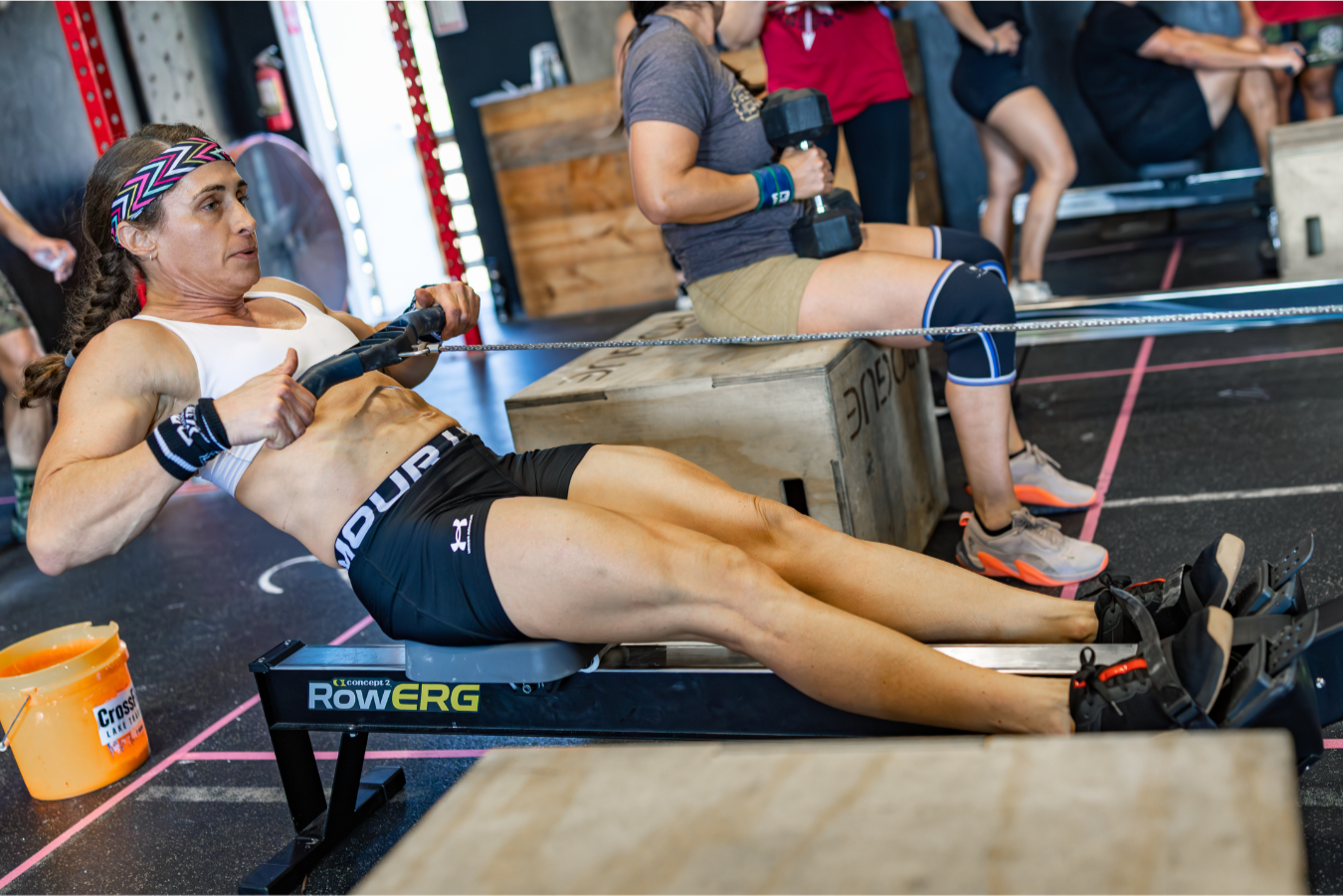
There was a time in my life when I was the epitome of physical fitness. I was strong, disciplined, training intensely, and accomplishing things physically that most people couldn't imagine.
From the outside, I looked like the picture of health.
Yet behind that appearance, I was struggling with significant health challenges. My body wasn't functioning the way I wanted it to. I was experiencing symptoms that didn't seem to align with how healthy and fit I appeared.
I was incredibly fit, yet I was also experiencing some of the poorest health of my life.
That experience changed the way I understood health.
It taught me that physical appearance, athletic performance, and even our ability to push through demanding circumstances don't necessarily tell us everything about what's happening inside our bodies.
And it sparked a curiosity that would eventually change the direction of my professional life.
What if we could look a little deeper? What if we had more information to help us understand what's happening beneath the surface?
Looking Under the Hood
Think about what happens when you take your car in for service.
A mechanic doesn't simply look at the exterior, admire the paint, and declare that everything is running perfectly.
They have tools that allow them to look beneath the surface, evaluate different systems, and gather information about how the vehicle is functioning.
Some of that information may help explain a problem you're already experiencing. Other information may help establish a baseline or identify something worth monitoring.
I think about functional lab testing in much the same way.
Our bodies are infinitely more complex than automobiles, but the underlying idea is relatable: sometimes, to better understand what's happening, we need information that isn't visible from the outside.
Laboratory testing can provide valuable clues about different aspects of our physiology. Those clues can help us ask better questions, recognize patterns, and make more informed decisions about nutrition, lifestyle, and health.
And for me, that information is empowering.
What Is Functional Diagnostic Nutrition?
My own health challenges were one reason I pursued additional education in functional health. The other was my experience working with clients.
As a health coach, I loved helping people improve their nutrition, establish healthier habits, manage stress, and make meaningful lifestyle changes.
But sometimes I encountered clients who were doing many of the right things and still struggling with their health.
I wanted another tool in my toolbox—another way to gather information and better understand the factors that might be influencing their well-being.
That desire led me to become a Functional Diagnostic Nutrition Practitioner® (FDN-P).
Functional Diagnostic Nutrition is an approach to health and wellness that incorporates functional laboratory assessments, nutrition, lifestyle, and other health-related information to explore patterns that may be influencing how someone feels and functions.
As an FDN-P, I use my training to evaluate relevant health information and help develop individualized nutrition and lifestyle strategies.
I enjoy connecting the dots.
I enjoy asking questions, exploring possibilities, and putting pieces of the puzzle together.
And I especially appreciate having additional information that can help guide a more personalized approach to someone's health.
Functional Testing Isn't Just for People Who Feel Unwell
One of the misconceptions I'd like to challenge is the idea that we should only become curious about our health when something goes wrong.
Of course, persistent symptoms deserve attention and appropriate medical evaluation.
But what about the person who feels relatively well and wants to be proactive about their health?
What about someone who wants to maintain their strength, energy, cognitive function, and independence as they age?
Or the person who simply wants a better understanding of where they are today?
Functional lab testing, along with conventional laboratory assessments, can sometimes provide useful information in these situations.
Depending on the individual and the tests selected, that might mean exploring nutritional markers, metabolic health, or other aspects of physiological function.
Establishing a baseline can also be valuable. When appropriate, repeating comparable tests over time may help you observe trends and evaluate changes alongside how you feel, your health history, and other measures of well-being.
Not every laboratory result will reveal a problem, and a number outside a reference range doesn't automatically mean something is wrong. But information, interpreted in the proper context, can help inform the next step.
You don't have to feel unwell to become more intentional about your health.
Moving Toward Health, Vitality, and Longevity

I often think about health as a continuum.
At one end, we may be experiencing symptoms, discomfort, or illness. At the other, we're working toward greater vitality, resilience, and well-being.
And throughout our lives, we may move in different directions along that continuum.
My goal is to help people make choices that move them toward better health, wherever their starting point may be.
Sometimes that means addressing habits that aren't serving them well.
Sometimes it means improving nutrition, prioritizing recovery, building strength, or developing a healthier relationship with stress.
And sometimes it means gathering additional information to help us understand where there may be opportunities for improvement.
I also believe that longevity isn't simply about adding more years to our lives.
It's about adding more life to our years.
We want to remain active. We want to think clearly, move comfortably, maintain our independence, enjoy our relationships, and participate fully in the things that matter to us.
And the foundation for that future is built through the choices we make today.
We don't suddenly begin preparing for healthy aging when we reach our sixties, seventies, or eighties.
The way we care for ourselves today influences the quality of life we may experience tomorrow.
Information Is a Tool. What We Do With It Matters.
Functional lab testing is one of the tools I may incorporate into my work with clients, depending on their goals, health history, and individual circumstances.
But testing is only one piece of the picture.
I also want to understand how someone lives.
What does their nutrition look like? How are they sleeping? How do they manage stress? Are they moving their body? Do they have time for recovery? What responsibilities, relationships, or circumstances are affecting their well-being?
I believe that understanding the whole person is essential.
Laboratory information can add another dimension to that understanding, but it doesn't replace the importance of listening, asking questions, and considering the individual behind the results.
Nor does functional testing replace medical diagnosis or treatment. When findings or symptoms warrant medical evaluation, working with an appropriately licensed healthcare professional is an important part of the process.
For me, the value of testing is not simply collecting numbers.
It's using meaningful information to help guide thoughtful decisions, support healthy habits, and evaluate progress over time.
Your Health Is Worth Understanding
You don't have to wait for a health crisis to become curious about what's happening inside your body.
And you don't have to settle for judging your health solely by how you look, what you weigh, or what you're capable of accomplishing.
My own experience taught me that those things don't always tell the complete story.
Whether you're navigating health challenges, looking to improve how you feel, or taking a proactive approach to longevity, I believe there is tremendous value in becoming an informed, engaged participant in your own health journey.
Because the more we understand about our health, the better equipped we can be to make choices that support the life we want to live.
Your health is more than how you look today. It's about how you feel, how you function, and how you want to live for years to come.
If you're curious about how health coaching and functional lab testing might support your personal health goals, I'd love to connect and learn more about you.