Self-Care Is Not Selfish: The 6 Types of Self-Care for Better Health, Balance, and Well-Being

If self-care makes you think of pampered women in fluffy robes at a spa sipping tea from delicate china cups, it may be time to expand your definition.
If you think self-care simply means getting your eyebrows waxed or dressing well, keep reading.
Self-care is not a luxury. It is a necessity.
When you take time to care for your mind, body, and spirit, you become better equipped to handle whatever life throws your way. Without proper self-care, many people end up feeling overwhelmed, exhausted, and ill-equipped to navigate daily stress.
True self-care is about intentionally caring for every aspect of your well-being so that you can live a healthier, happier, and more fulfilling life.
What Is Self-Care and Why Is It Important?
Self-care refers to the intentional actions we take to care for our mental, emotional, physical, social, and spiritual well-being. When practiced consistently, self-care reduces stress, prevents burnout, and improves overall health and life satisfaction.
Why Self-Care Matters

Most people understand the importance of self-care intellectually. But putting it into practice is another story.
Many of us have long lists of responsibilities every week. Between work, family obligations, and daily tasks, prioritizing our own needs often falls to the bottom of the list.
Sound familiar?
The truth is, building sustainable self-care routines takes time. It often requires experimentation, awareness, and patience to discover the habits that truly replenish your energy and restore balance.
Unfortunately, many people have internalized the belief that:
Self-care = selfishness.
But the opposite is true.
If we constantly give to others without replenishing ourselves, we eventually run on an empty tank. Self-care is how we restore our resources so we can continue to show up for the people we love.
The 6 Essential Types of Self-Care
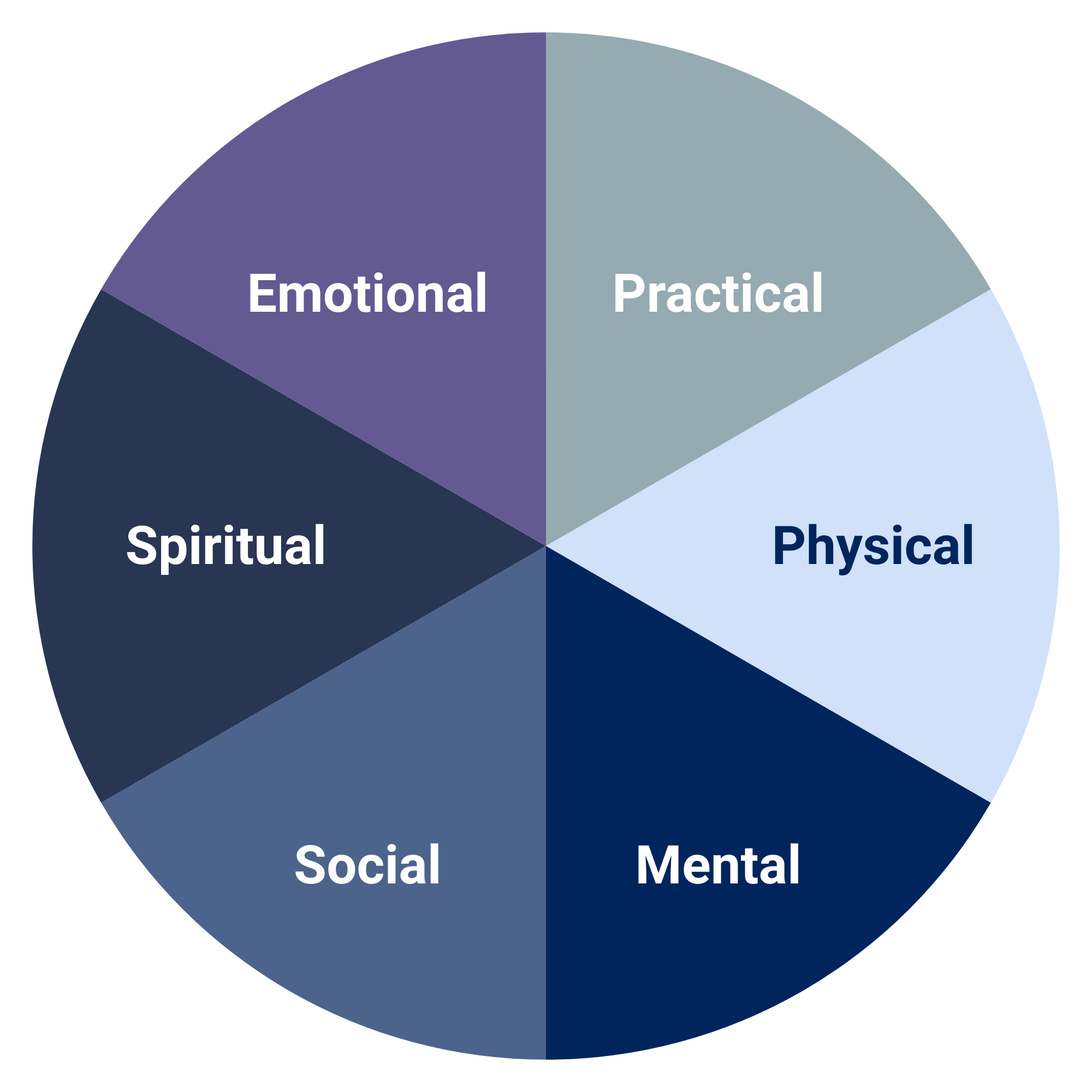
True well-being requires attention to multiple areas of life. There are six core types of self-care, and each plays an important role in supporting your health and emotional balance.
Ask yourself: Which areas are you nurturing well, and where might you need more support?
1. Emotional Self-Care
Emotional self-care is about recognizing, understanding, and nurturing your feelings.
Life moves quickly for most people, but our emotions are signals telling us what is happening inside us. Ignoring them often leads to stress, burnout, or emotional overwhelm.
Practicing emotional self-care might include:
Journaling about your thoughts and feelings
Meeting with a therapist or life coach
Listening to music that helps you process emotions
Creating art or engaging in creative expression
Setting aside quiet time for reflection
Deepening your emotional awareness allows you to develop healthier ways of responding to life’s challenges.
Your emotions are not something to run from. They are guides that help you live a more authentic and fulfilling life.
2. Practical Self-Care
Practical self-care focuses on reducing stress through proactive planning and organization.
When we put systems in place to support our daily lives, we prevent many unnecessary stressors.
Examples include:
Creating a budget or meeting with a financial planner
Organizing your living space
Streamlining routines and schedules
Setting personal or career goals
Finding mentors, accountability partners, or support groups
Practical self-care helps create structure and stability, allowing you to move through life with greater clarity and confidence.
3. Physical Self Care
Physical self-care involves taking care of your body so it can function at its best.
Your body supports everything you do, yet it is often the first thing people neglect.
Physical self-care may include:
Eating nutritious, nourishing foods
Staying properly hydrated
Engaging in regular exercise or movement you enjoy
Prioritizing quality sleep
Creating boundaries around rest and recovery
Incorporating massage, sound therapy, or essential oils
Movement, nutrition, and rest all work together to support both physical health and emotional resilience.

4. Mental Self-Care
Mental self-care focuses on stimulating and nurturing your mind.
Keeping your mind engaged and curious helps maintain cognitive health and emotional vitality.
Ideas for mental self-care include:
Reading books or listening to audiobooks
Learning a new skill or hobby
Visiting museums or cultural spaces
Playing games or solving puzzles
Exploring new interests or creative outlets
Mental stimulation encourages new perspectives and keeps your mind flexible and energized.
5. Social Self-Care
Humans are wired for connection. Social self-care involves cultivating healthy, supportive relationships.
Take time to evaluate the relationships in your life.
Ask yourself:
Do the people around me encourage growth?
Do I feel seen, heard, and valued?
Do these relationships align with my values?
Social self-care may include:
Spending intentional time with loved ones
Strengthening communication skills
Setting healthy boundaries
Participating in support groups or mentorship programs
Engaging in meaningful conversations with friends
Healthy relationships are one of the most powerful contributors to long-term happiness and well-being.
6. Spiritual Self Care
Spiritual self-care nurtures the part of us that seeks meaning, purpose, and connection beyond ourselves.
For many people, spiritual self-care includes connecting with God or a higher power. For others, it may involve reflection, meditation, or time in nature.
Spiritual self-care practices might include:
Prayer or quiet time with God
Meditation or deep breathing
Spending time in nature
Practicing gratitude
Reflecting on life’s purpose and meaning
These practices often help reduce stress, increase peace, and create a deeper sense of connection.
A Powerful Reminder About Self-Care
When I was in graduate school studying to become a marriage and family therapist, I worked with a wonderful mother of five children who struggled to prioritize her own needs.
One day I reminded her of something we hear on every airplane flight:
“In case of a cabin pressure emergency, put on your own oxygen mask first before assisting others.”
The concept is simple but powerful.
You cannot help others for very long if you do not first take care of yourself.
Parents especially carry enormous responsibility—often acting as cook, chauffeur, teacher, referee, and caregiver all in the same day.
Prioritizing self-care allows you to show up with more energy, patience, and joy for the people who matter most.
Simple Self-Care Practices to Try Today
Self-care doesn’t need to be complicated or expensive.
Sometimes the smallest choices make the biggest difference.
Instead of scrolling social media, go for a walk and watch the sunset.
Instead of buying more things you don’t need online, call a friend and have a meaningful conversation.
Instead of reaching for another piece of chocolate, take your journal outside and spend a few minutes connecting with your thoughts and emotions.
Self-care is about intentional choices that nourish your mind, body, and spirit.
Finding Balance Through Self-Awareness
The ultimate goal is to incorporate these six types of self-care into everyday life.
This requires self-awareness.
Over time, you will begin to recognize:
What fills your cup
What drains your energy
What habits help you feel your best
Finding balance is a journey that involves patience, experimentation, and grace with yourself.
But the reward is powerful: a life where you can show up as your healthiest, most authentic self for the people you love.
A Faith Perspective on Self-Care
In Matthew 22, Jesus teaches:
“Love the Lord your God with all your heart and with all your soul and with all your mind… and love your neighbor as yourself.”
This teaching reminds us that loving others begins with a healthy relationship with ourselves.
When we cultivate self-awareness, compassion, and care for our own well-being, we become better able to love and serve others.
Self-care is not selfish—it is a way of honoring the life we have been given.
Ready to Prioritize Your Well-Being?
If you're feeling overwhelmed, exhausted, or disconnected from yourself, you don't have to navigate it alone.
Therapy and supportive guidance can help you reconnect with your needs, develop healthy self-care routines, and restore balance in your life.